In order to deter the kids from vandalizing the building, the station features a giant wall of pictures painted by local children from all 22 of the surrounding schools.
Houten Fire Station
Design Team: Samyn and Partners
Location: Houten, Netherlands
Status: Completed 2000
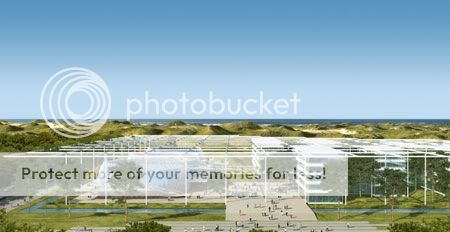
The municipal authority in Houten commissioned the Samyn and Partners practice to build a small fire station on a site surrounded by lots of green space. The building agenda set a requirement that there should be space to accommodate six fire engines.
Design Team: Samyn and Partners
Location: Houten, Netherlands
Status: Completed 2000
The municipal authority in Houten commissioned the Samyn and Partners practice to build a small fire station on a site surrounded by lots of green space. The building agenda set a requirement that there should be space to accommodate six fire engines.
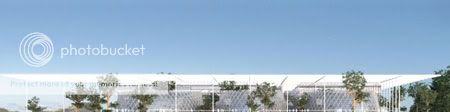
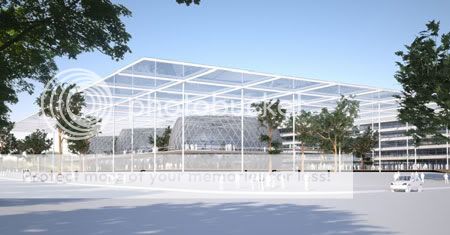
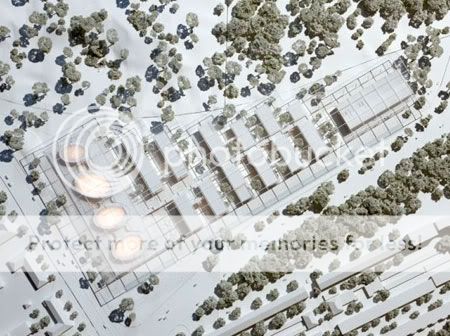
The theme in drawing up the design is the radical division of the roof structure from the internal organization. It represents the idea of the shelter, the independence of the shell from the building itself. The building's interior is in keeping with the client's requirements.


The choice of the a parabolic shell roof at the fire station in houten was ‘the result of the search for elegance of form’, and also brings about an optimization of the structure. The fast method of construction was a further significant factor favouring this choice at the fundamental design stage.
There is a two-way split of the interior. The south side has been conceived as a completely transparent space in which just glass has been used. Here, the firefighting equipement is kept in what resembles a large shop window.
This barely heated hall is intended to serve as a climatic buffer zone, both in winter and in summer. All the other functions have been gathered together in the northern half of the building, a construction built of loadbearing brickwork. From the open corridors, there is a view onto the fire engines.


The ground floor houses showers, changing rooms and the sanitary provisions as well as storage rooms for mechanical equipment. A conference room and a cafeteria for the firefighters are situated on the first floor.
The office spaces are located on the second floor with storage rooms for technical equipment on top.
In this socially problematic area of the city, it was asked to the 2200 five to seven years old schoolboys and schoolgirls of the 22 schools of the city to represent the epic of the firemen on DIN A3 - size panels.
The 2200 panels, changing colour as a flame from dark blue at the bottom over green an yellow to orange at the top, were laid out on the main brick wall of the Fire Station, renamed "house of the firemen". It resulted into a magnificent hieroglyph-like composition protected by the glazed façade. The project gathered all the families of Houten, so that an emotional link was woven between the population and the building. In this way, the "house" is protected from the vandalism it was likely to suffer before that, in each family, a little brother or a little sister's piece of artwork was integrated in the work.
The glazed façade incorporates large overhead gates designed to allow the firefighting force to make a quick operational exit. The building's length runs in an eastwest direction which allows the southern façade to incorporate photovoltaic cells. The fire station's overall form appears as a modern variant on the traditional theme of the shed.


via Samyn and Partners
Continue reading...
The choice of the a parabolic shell roof at the fire station in houten was ‘the result of the search for elegance of form’, and also brings about an optimization of the structure. The fast method of construction was a further significant factor favouring this choice at the fundamental design stage.
There is a two-way split of the interior. The south side has been conceived as a completely transparent space in which just glass has been used. Here, the firefighting equipement is kept in what resembles a large shop window.
This barely heated hall is intended to serve as a climatic buffer zone, both in winter and in summer. All the other functions have been gathered together in the northern half of the building, a construction built of loadbearing brickwork. From the open corridors, there is a view onto the fire engines.
The ground floor houses showers, changing rooms and the sanitary provisions as well as storage rooms for mechanical equipment. A conference room and a cafeteria for the firefighters are situated on the first floor.
The office spaces are located on the second floor with storage rooms for technical equipment on top.
In this socially problematic area of the city, it was asked to the 2200 five to seven years old schoolboys and schoolgirls of the 22 schools of the city to represent the epic of the firemen on DIN A3 - size panels.
The 2200 panels, changing colour as a flame from dark blue at the bottom over green an yellow to orange at the top, were laid out on the main brick wall of the Fire Station, renamed "house of the firemen". It resulted into a magnificent hieroglyph-like composition protected by the glazed façade. The project gathered all the families of Houten, so that an emotional link was woven between the population and the building. In this way, the "house" is protected from the vandalism it was likely to suffer before that, in each family, a little brother or a little sister's piece of artwork was integrated in the work.
The glazed façade incorporates large overhead gates designed to allow the firefighting force to make a quick operational exit. The building's length runs in an eastwest direction which allows the southern façade to incorporate photovoltaic cells. The fire station's overall form appears as a modern variant on the traditional theme of the shed.
via Samyn and Partners